When Success Feels Wrong: A Real Estate Leader's Path to Alignment
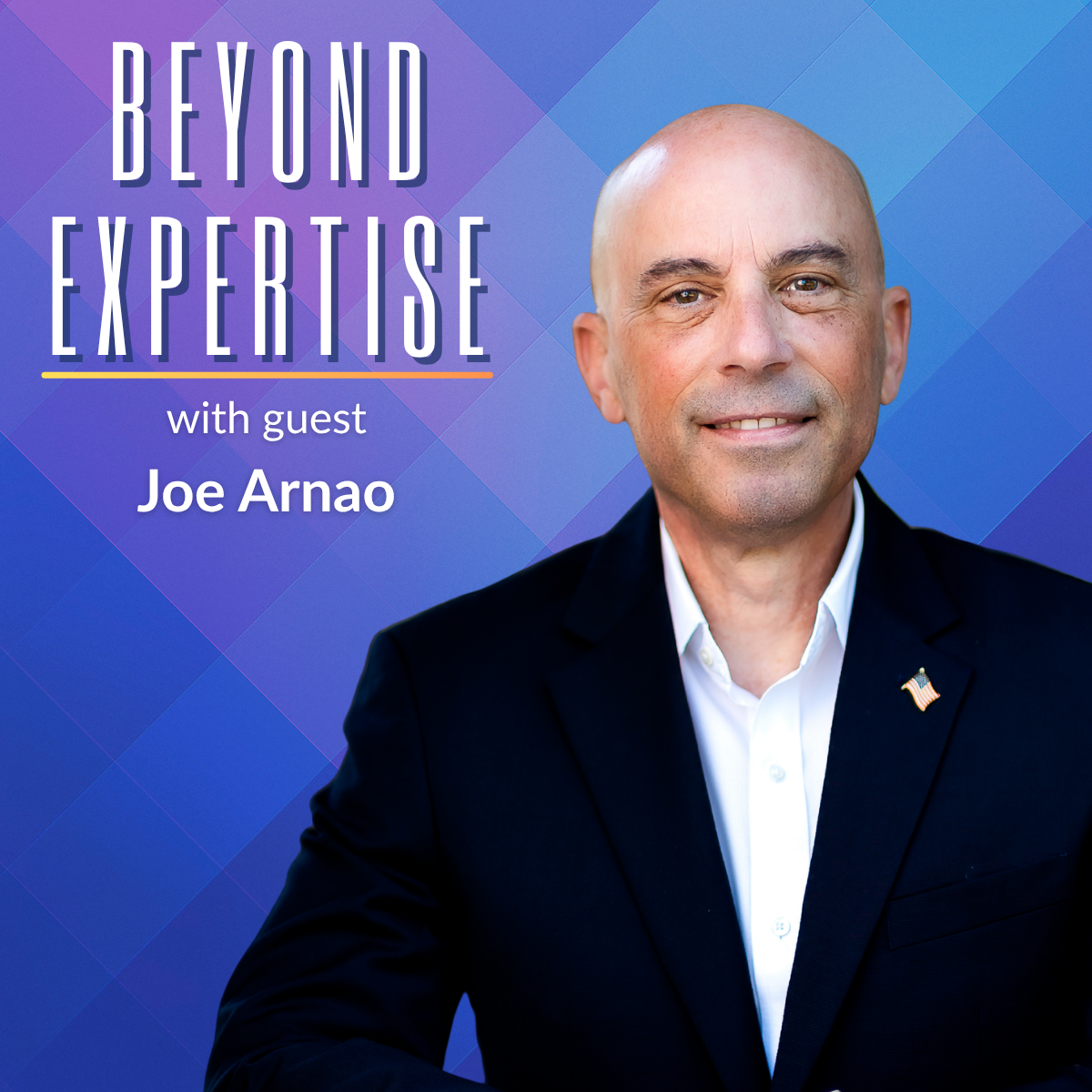
There's a particular kind of discomfort that high performers know well. You've built something real, a career with credentials, accomplishments, and a track record that looks impressive from the outside. And yet something nags. A quiet voice that says, "This isn't quite it." You push it down, you chase the next opportunity, you tell yourself that a change of scenery or a new title will fix it.
It usually doesn't.
Joe Arnao spent decades discovering this the hard way, then built a framework to help others avoid repeating the pattern. His story is one of the most honest examples of professional identity reinvention you'll find: not a single dramatic pivot, but a long, winding road of self-discovery that finally arrives somewhere real.
The Winding Path: From Culinary School to Real Estate Broker
Joe's professional journey didn't start in real estate. It started with a dream of opening a restaurant. Two years of culinary school, two years of food service management, including a stint at Boston University that felt, at the time, like the summit of success. He was making $18,000 a year and singing along to "The Future's So Bright" on his morning commute.
Then the itch started.
He moved in and out of the kitchen, into management, then out of hospitality entirely. A stint at New York Life Insurance taught him how to knock on doors and dial the phone without flinching. Eastman Kodak gave him what he still calls some of the best sales training of his life. Eventually, with the encouragement of his wife and an opportunity through his father-in-law's development company, he landed in real estate, and something clicked.
"The ability to build something on my own terms," Joe says, describing what attracted him to the industry. "Not just build something for myself, but build something bigger than me."
That drive, not just to perform, but to build, is one of the most common threads in career reinvention stories. High performers who feel that itch aren't always chasing money or prestige. They're chasing meaning, ownership, and impact that outlasts their individual effort.
When the Market Crashes and Resilience Gets Tested
Joe opened his own brokerage inside his father-in-law's development company, eventually expanding to serve multiple investors across Massachusetts, New Hampshire, and Rhode Island. Business was brisk "like popcorn," he recalls, describing the pace of sales in the mid-2000s housing boom.
Then 2006 arrived, followed by 2007 and 2008.
As the market turned, Joe had to do something that many professionals resist: admit that what worked before wasn't working anymore, and build new skills fast. He had always been a listing agent. He had to learn the buyer side. He discovered Craigslist and early internet marketing when almost no one in his area was doing it. He adapted, experimented, and slowly stabilized.
But the isolation of solo entrepreneurship hit him harder than the market downturn. Running a small brokerage meant handling the books, the tech, the website, the client calls, everything alone, in an echoing office. "I was so alone," he says. "It was isolating."
This is one of the hidden costs of entrepreneurial identity that rarely gets discussed honestly: independence can quietly become loneliness. For professionals in their second act, especially those building consulting practices or coaching businesses, loneliness is one of the most underestimated obstacles to sustainable success.
Joe eventually joined a larger firm, a move he initially felt was a failure, as if he'd given up on something. It took years to reframe it as a strategic shift: he was trading isolation and operational burden for the ability to do what he actually loved, which was selling, building relationships, and growing something.
The Pattern Behind the Pivot: Chasing Shiny Objects
After rising to manage five offices for his new firm, Joe hit another ceiling — before he expected to. He hired a coach. He and his wife packed up and moved to North Carolina. He found a new role with a boutique firm. Then cancer entered the picture.
A treatable diagnosis, fortunately. But an undeniable one.
Here's where Joe's story illuminates an important point about identity reinvention: a wake-up call doesn't automatically bring clarity. Joe came through his health scare and returned to familiar work, took on a new role with a different firm, and felt the same unresolved discomfort he'd felt before.
"The shininess and the newness were good," he reflects, "and as soon as that wears off, it's like, okay, I'm still doing what I was doing back when I started feeling uncomfortable."
Sound familiar? For many professionals navigating a career second act, the trap is changing the environment without addressing the underlying misalignment. A new company, a new city, a new title — these feel like reinvention, but they're really just rearranging the furniture.
The forcing function Joe needed came when the company restructured, and his position was eliminated. Suddenly, he had no choice but to dig deeper.
The Aha Moment: Representing the Individual
With more time and fewer distractions, Joe began doing something he'd always done well but never fully owned: coaching and recruiting, on his own terms. While helping a brokerage owner find a successor, he sat across from agents who were considering career moves and noticed something that had bothered him for years, now impossible to ignore.
Nobody was representing the agent.
In traditional real estate recruiting, the recruiter works either for the company or under a revenue-share arrangement. The agent gets sold an opportunity. What the agent actually needs, their values, their working style, and the kind of environment that helps them thrive, rarely enters the conversation. The result is a version of the same mistake Joe had been making: chasing a new thing without examining the root problem.
"I cared more about the agent making them successful than I did about the company," Joe says. "And I'm bringing people in sometimes where they were actually probably doing great where they are."
That realization became his new mission. Stop feeding the system. Represent the individual. Help people make decisions that actually fit who they are.
This is a profound insight for any professional in transition: the moment you stop asking "what opportunity is available?" and start asking "what do I actually need?" everything changes.
The 4W Framework: A Practical Tool for Career Alignment
From that mission, Joe built what he now calls the 4W Strategic Identity Process. This framework is deceptively simple enough to be dismissed yet powerful enough to change careers when taken seriously.
The four questions are:
- Who are you? Not your job title or your resume. Your values, your personality, how you operate at your best.
- What do you need? Not what looks good on paper, but what you require to feel engaged, supported, and fulfilled.
- Where do you thrive? Not just which company or city, but what kind of environment, culture, and community brings out your best.
- Why does it matter? The deeper motivation behind the work. What makes it worth showing up for?
These aren't questions for a job interview prep session. They're the questions that, when answered honestly, expose the gap between who you've been performing as and who you actually are.
Most accomplished professionals skip them because they're busy. They have a track record. They know how to succeed. But success in the wrong direction gets you further from where you want to be — faster.
Community as a Career Strategy
One of the less obvious lessons in Joe's story is about the role of community in sustainable reinvention. When he first ran his own brokerage, the isolation nearly derailed him. This time around, as he builds his consulting practice, he's made a deliberate choice to invest in community: mastermind groups, entrepreneurial networks, and forward-thinking people willing to share.
"I would not be where I am without those people," he says.
This is not a soft observation. For professionals in career transition, isolation is an active risk. The instinct to hunker down and figure things out alone can feel like discipline, but it's often just loneliness with better branding. Finding a community of people on similar paths, who share your wavelength, who can normalize your experience, who will push back on your thinking, is a legitimate strategy, not a luxury.
What Joe's Story Means for Your Own Reinvention
Joe Arnao's path — culinary school, sales, real estate, brokerage, management, cancer, relocation, restructuring, and finally alignment — is not a straight line. It's not a clean narrative. It's the actual shape of how professional identity evolves when you're paying attention and willing to keep asking hard questions.
A few threads worth pulling from his story:
The itch is data. Every time Joe felt restless, it pointed to something real. Not always something he could immediately articulate, but something worth investigating. If you've been dismissing your own recurring discomfort as ingratitude or distraction, it may be worth a closer look.
Changing your environment doesn't fix misalignment. New companies, new cities, new titles, these can be necessary parts of reinvention, but they're not sufficient on their own. The work is internal before it's external.
Alignment is a practice, not a destination. Joe's 4W framework isn't a quiz you take once and file away. It's a lens you apply repeatedly as your circumstances and values evolve. The professionals who stay aligned are the ones who keep pressure-testing their choices against their own criteria.
Community is not optional. Especially in a second act, where you may be working independently or pivoting into unfamiliar territory, finding people who get it is as strategic as any business decision you'll make.
Host | Fractional CMO
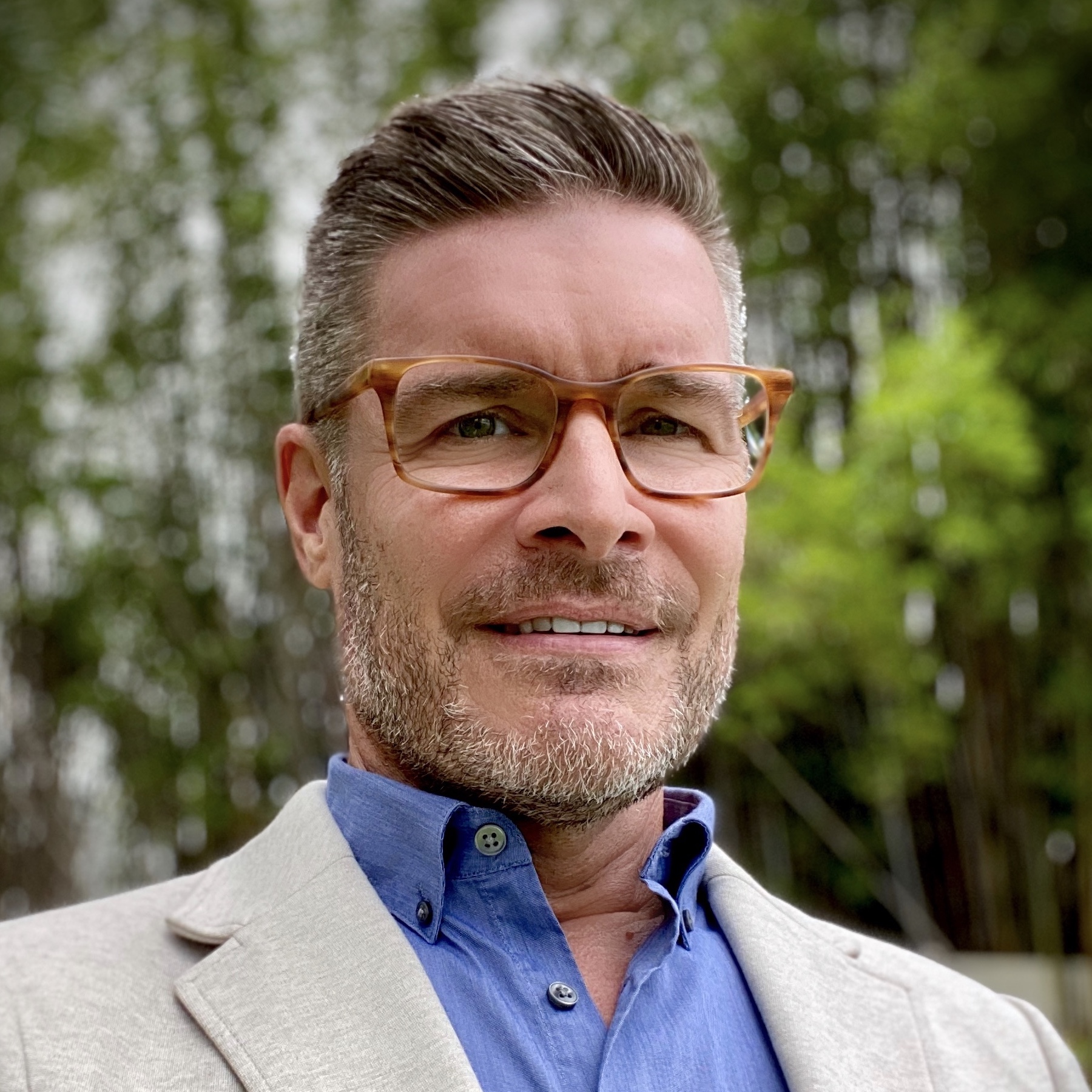
Eric Dickmann is a former corporate executive who built a successful second chapter as an entrepreneur, fractional CMO, and podcast host. After years of leading marketing, product, and growth initiatives for organizations ranging from Fortune 500 companies to emerging startups, he made the leap from corporate leadership to building his own consulting business to help B2B companies grow through strategic marketing leadership.
As the host of The Virtual CMO, Eric has published more than 130 episodes featuring marketing leaders, founders, and growth experts. Through those conversations, he noticed a deeper theme that extended far beyond business strategy: many successful professionals eventually reach a point where they begin asking what comes next when titles, roles, and career identity no longer feel like the full story.
That realization inspired him to launch Beyond Expertise, a show exploring reinvention, relevance, confidence, and building a meaningful next chapter in midlife and beyond. Eric brings a rare mix of executive experience, entrepreneurial perspective, and personal honesty about navigating change in real time.

When Getting Fired Is the Beginning, Not the End: Merry Korn's Career Reinvention Story



