COVID Closed the Stage and Opened a New Career with Kate Kayaian

The strangest career clue is not burnout, it's relief. When concert cellist Kate Kayaian watched her entire performance calendar vanish during COVID, she expected panic. What she felt instead was a weight lifted, and that single emotional moment forced a bigger question: if the “dream” disappears and you feel freer, what does that say about your identity?


Kate grew up in a world where music was not a hobby but a calling. She had a community and a clear definition of success. In this episode, we unpack how achievement-based careers can become a locked-in professional identity, even when you are thriving on paper. She shares why she chose the freelance path over an orchestra job, how the lifestyle tradeoffs stacked up over time, and how ego can quietly shape what we chase. If you are a high achiever facing a career change, a midlife pivot, or a “I don’t want the next rung” moment, her story makes the emotional side of reinvention feel honest and navigable.
We also get practical. Kate breaks down her “plateau and portal” framework, the ideas behind her book "Beyond Potential," and the steps she uses with clients to reassess old stories, redefine who they are beyond titles, and reignite momentum with a real roadmap. You will hear how she built the Virtual Summer Cello Festival, turned that into coaching and leadership programs, and why tiny experiments and one clear non-negotiable can be enough to start moving again.
If you are ready to explore identity reinvention, purpose, and life beyond expertise, subscribe, share this with a friend who feels stuck, and leave a review so more people can find the show.
Have questions, comments, or interest in being a guest? Leave me a voicemail!
00:00 - Welcome And The Reinvention Theme
01:20 - A Cello Crush Becomes An Identity
05:39 - How Musicians Measure Success
10:38 - When The Dream Starts To Tighten
15:10 - COVID Relief And A Forced Sabbatical
17:35 - Building A Virtual Festival And Coaching
22:48 - The Portal And Identity Plateau
33:18 - Tiny Experiments To Find Direction
36:21 - Books Speaking And Where To Connect
Welcome And The Reinvention Theme
Eric Dickmann
Welcome to Beyond Expertise, a podcast about identity reinvention for professionals ready to explore who they are beyond their titles and careers. I'm your host, Eric Dickmann. Today, I'm excited to welcome Kate Kayin to the program. Kate began her professional life as a concert cellist, performing at the highest levels of classical music in a world built around discipline, achievement, and relentless pursuit of mastery. But over time, even a dream career began raising deeper questions about identity, fulfillment, and what success actually was costing her. Today, Kate works with high achievers navigating reinvention, purpose, and life beyond the identities they once built everything around. Kate, welcome to the podcast. I'm so glad to have you on the show today.
Kate Kayaian
I'm thrilled to be here, Eric. Thanks for having me.
A Cello Crush Becomes An Identity
Eric Dickmann
One of the things that I like to do with, this show is I like to turn back the clock a little bit and go way back in time. And so if you think about your early years when you first started and had the gift of music and really began to develop a passion for that, and then you decided to make that move and do it professionally, did you feel that it was a calling, that it was something that you really wanted to do? Or did you go down that path because you had a skill and it just seemed like the thing to do?
Kate Kayaian
Yeah, you know, this is such an interesting question, and I don't think it's one that I've ever been asked before,
Eric Dickmann
Oh, well, that's good.
Kate Kayaian
it. I love it. Right off the bat, I mean, I can tell you I started playing the cello when I was four and a half years old, right? And I started playing the cello because I had a crush on an eight-year-old boy who played the cello, and I, I knew at that point in my life, I was old enough to understand that, um, we could only get married if we played the same instrument. So, so I chose cello, and, uh, he then moved away really quickly. He moved to, to Colorado. Um,
Eric Dickmann
no.
Kate Kayaian
but he is still a professional cellist, and I am still a, uh, you know, a professional musician in my own right. But here's the thing. I loved it. I was really lucky. I grew up outside of Chicago where there happens to be this incredible music school, just a community music school, right? They, they have them all over the world, just your local place where you go and have lessons of any instruments. And mine happened to have, like, two of the top cello teachers in the country, and it was just luck, right? And so I had these great teachers and this great community. There were lots of cellos around, and so I had a lot of friends, and I played chamber music, and I played in orchestras, and I went to summer c- music camps. And it got to the point, of course, you know, 10, 11, 12, I don't wanna practice. None of my school friends are doing this. I wanted to quit every day of my life, right? My mother was terrible for forcing me to play this instrument. Um, but I eventually, like all kids do, I got through that moment. And when it came time to choosing my career, there wasn't any other option. I mean, I, I was a cellist. It was my entire identity. It was how anybody introduced me, right?"This is my friend Kate. She's a cellist. This is my daughter, Kate. She plays the cello. This is my student, Kate," right?"She's a cellist." It was how everybody knew me. It's what I did every weekend. It's what I did every day. Talent shows, I was playing the cello. Even in a rock band, I was the cellist in the rock band. And Again, growing up outside of Chicago in this place where there happened to be a really strong classical music training, a lot of my friends' parents were professional musicians, right? So they played in the Chicago Symphony or they were in string quartets. So I never had this model of, like, a struggling artist.
Eric Dickmann
Hmm.
Kate Kayaian
The only examples I saw of professional musicians were people who were at the top of their industry, making a great living, playing in beautiful houses, traveling the world. Like, you know, I went to my friend's house for dinner and like,"Oh, Yo-Yo Ma's coming for dinner," right?'Cause he's in town. It, it was just a... You know, looking back, it's surreal. At the time, it was just normal. As kids, we don't know that things are different anywhere else, right? And so here I had this talent. I was good at it. People told me I had all of this potential, like,"You have the potential to be a really great cellist, Kate." And everything pointed towards going into music. There was no reason not to,
Eric Dickmann
So that's the direction you went.
Kate Kayaian
yeah, even my parents were like,"Great," like,"This seems like a really lucrative career path," right?
Eric Dickmann
yes.
How Musicians Measure Success
Kate Kayaian
Um, and so I did it. And then again, I got into New England Conservatory of Music on a scholarship, um, and I had an incredible experience there. I went to the top festival. Like, everything just kind of door after door opened for me. I worked my butt off, right? Let's not, let's-- like, I worked my, I worked for it. But I had these opportunities, and so you just kind of go down that path. Like, if you love it and everybody's telling you that that's who you are and what you do, that's your entire identity. All of my friends were musicians. All of my friends' parents were musicians. All of our boyfriends and girlfriends were musicians, right? It was just this little bubble that was comfortable and familiar and wonderful. I got to, to see the world because of it.
Eric Dickmann
Yeah, I was gonna ask, were you really comfortable in that identity, or over time did you start to feel boxed in by it?
Kate Kayaian
Well, eventually I did. I was completely comfortable. I mean, listen, it, I was living the life, right? This is great. I'm on, like, I get called. You know, rock stars, they go on tour, and they don't bring their string players or their musicians with them. They're hired in each individual city. I was always the cellist that was hired to play. Um, so I got to hang out. I shared a pizza with Jay-Z backstage one day. Like, this is not a normal life. Um, so, but I loved it. And it wasn't until late 30s, early 40s that I started to feel like maybe there was something else out there that I could do And maybe it was because I had been doing it so long, but I just, I was curious. There was part of me growing up that loved to write stories, and I loved to write. I wrote in a journal every day of my life. It was like my best friend, me and that journal. Um, I also was really curious about life as a businesswoman, like the corporate life. Like, there was something intriguing to me about, like, putting on a power suit and, like, going to an office and, like, kicking butt, running a company, being an entrepreneur. Something, right? Um, so there was always just this little flicker of curiosity. When I got to my, my late 30s, early 40s, I'm having to miss out on a lot of things, like family reunions or friends' weddings, cousins' weddings, you know, all of these things that happen on the weekend,'cause guess what? That's when concerts happen.
Eric Dickmann
Yeah, I never thought about that, but a lot of that kind of a career would interfere with some traditional social life activities. And I'm also curious, you know, you said you were kind of thinking about being a businesswoman and potentially doing some writing. And, you know, I think for a lot of our audience, they probably have been in the business world. They haven't been in a creative profession like you. So when someone's in a creative profession, how do you start to measure success? You know, when you're in the business world, you're a manager, then you're a senior manager, then you're a vice president, then you're executive vice president. So in your world as a musician, how did you start to see yourself progressing and embrace those titles as part of your identity?
Kate Kayaian
it's, it's another interesting question. You know, in the... There are different paths you can take, at least as a classical musician. You can audition and get into a big orchestra, right? Like the Chicago Symphony, and that is a full-time job, and you go to rehearsals during the day, you play concerts at night, you have all of these things. That's your full-time job, and it's, like, to get into one of those top 10 orchestras is- really difficult. Really difficult. There are tenured positions. There are only 10 cellists, 12 cellists. Um, but that's one path. Another path is to maybe be in a string quartet, right? And you are affiliated with the university. You travel with the group. You record. Yeah, okay, you have that. You could be a soloist. You could be the person up in front playing, like Yo-Yo Ma, playing the concerto in front of the orchestra, and every week you're in a different city. Um, or you can be a freelancer. So you can base yourself in a city, and you can do, like, play with lots of different groups, and you play some concertos with orchestras. You play some chamber music. You basically do a little bit of everything. And that's what appealed to me. I was fortunate enough to win a fellowship in the New World Symphony, started by Michael Tilson Thomas, we all lived in Miami Beach. Our housing was paid for. We got a stipend. We got to work with, like, the world's top conductors and musicians. And the most important thing I learned from that experience, as much as I loved it, I loved every day of my life there. The number one thing I learned was that I did not want to be in an orchestra.
Eric Dickmann
Okay.
Kate Kayaian
I didn't want an orchestra job. I didn't want to go to the same place day in and day out with the same people. And again, when you're in an orchestra, it's the conductor that's making the decisions, right? You just play what's on the page, and you play it the way the conductor wants. So I didn't like not having my own creative take on things. Um, so after that three-year fellowship finished, I moved back to Boston, where I had gone to school and I had a lot of connections. And I said,"Well, I'm just gonna freelance and do a little bit of this, a little bit of that." you know, I had a lot of connections. I had worked really hard. I had gone to school there. So, you know, I did pretty well
When The Dream Starts To Tighten
Eric Dickmann
Yeah. Well, and it's interesting what you're saying as well because you hit upon a couple things, the interest in being potentially an author, the interest in the business world, the desire to have flexibility and control. So it sounds like at this point in your career, maybe you're getting the itch for something else, maybe some sort of a change.
Kate Kayaian
Yeah, and it's inter- it's interesting that you use the word interested in being an author and interested in being an entrepreneur. I would never have used that word.
Eric Dickmann
Okay.
Kate Kayaian
was like a fantasy of mine. It would be like, you know, the, the corporate executive who's like,"What would it be like to just, like, burn this all to the ground and buy a farm in Vermont and just, like, be a farmer," right? Like, I wouldn't say that that person is interested in being a farmer. It's just sort of a fantasy. And that's how it felt, because it was so disconnected from my identity as a cellist. It was just like,"Yeah, yeah, I write." And if something needed to be written, somebody needed program notes or something, or somebody... Like, they would come to me and say like,"Hey, can you write this?" Or,"Can you proofread it? Can you tweak it?" I was like,"Yeah, yeah, sure. That's easy for me," right? Um, I was always having these sort of entrepreneurial ideas, even within music. I mean, even when I was a kid, I remember there was a summer camp that came up last minute. My parents really didn't have much money, so they scrimped and saved and did what they could. Last minute opportunity, and they were like,"No, we can't afford it. We don't have the money. We didn't budget for it." And I was so mad that I wasn't gonna spend the week with my friends at this camp, that I decided to start my own camp, right? So I put out flyers to all of my neighbors. It wasn't a music camp, but I had lots of little kids in my neighborhood, and, um, they could bring their kids over Tuesdays and Thursdays for two hours. I was gonna read them stories, and we were gonna make puppets and drink lemonade. It was called Story Time and Puppet Time. Eric, I made so much money that summer, I could have paid for the, for the camp.
Eric Dickmann
Oh, interesting.
Kate Kayaian
I was 11. Right? So, so all throughout my career, there were, like in hindsight, there were clues. There were definitely clues. Um, it- I would tell you that until this point in my 30s and early 40s, there was nowhere else I would've wanted to be at 8, 8:00 PM on a Saturday night than on stage.
Eric Dickmann
Okay.
Kate Kayaian
That was like,"Well, why, why would I wanna be anywhere else? This is where it's all happening," right? Suddenly that shifted, and there were other places I wanted to be. I think I... It was a combination of I worked, I did some part-time work at a school, and so I therefore had colleagues who were not professional musicians, and they would have a dinner party and invite me to a dinner party on Saturday night. I'd say,"Well, that sounds really fun, but I can't, I have a concert."
Eric Dickmann
Mm.
Kate Kayaian
they'd wanna go on a girls' trip for a weekend, and I had to say no'cause I had concerts. And I started to think like,"Well, do I wanna be missing out on these other things for the rest of my life?
Eric Dickmann
Mm-hmm.
Kate Kayaian
Is what I'm doing as a cellist so important to the world that it's a sacrifice that's worth making?" And I realized that it wasn't.
Eric Dickmann
Mm.
Kate Kayaian
You can t- I mean, music is so important, absolutely, and it does so much for the soul. But I really suddenly started to feel like the work that I was doing, I played in these orchestras because they paid the bills. I did some teaching'cause I love working with students. Um, I played solos, concertos, and chamber music because it fed my ego Right? I got to wear a beautiful dress. I got to play the Jesus out of my instrument, do something that most people in the world cannot do, get flowers afterwards, fancy parties, fancy dinners. And yes, I loved to communicate with the audience through my instrument. But when I really got honest with myself, I was like,"This is just... I wanna play bigger concerts and better concerts so that people think I'm cooler."
Eric Dickmann
Mm-hmm.
Kate Kayaian
I wanted people to think that I was this ama- I wanted to be the best, right? And I was like,"I don't really feel like I need to be pursuing that for the next 20, 30 years."
COVID Relief And A Forced Sabbatical
Eric Dickmann
Was there a specific thing, an event that happened in your life that really caused you to have this kind of self-reflection? So you had these dreams, fantasies about other things that you can do, and now it sounds like you're getting into a very self-reflective mode where you're actually thinking about turning these fantasies into some sort of a reality. What was the moment that or moments that really pushed you in that direction?
Kate Kayaian
Well, the moment that really, really, you know, put the nail in the coffin for my performance career was COVID.
Eric Dickmann
Hmm. That old thing.
Kate Kayaian
thing. You know, I had this big two-week tour planned for the West Coast. Um, it was planned for mid, mid-April 2020. It was music I had been playing. You know, there was no problem. I was not nervous. I was not worried about this tour. Everything, it sh- you know, I was kinda looking forward to it. Um, I played a concert on March 13th, 2020. I happened to be home in Bermuda, so thank God I was here. We knew lockdown, lockdown had been announced starting the next morning, and I got up on stage and I talked about how this was gonna be the last time, you know, in a long while that we'd be able to gather like this. And, you know, I got a little emotional. People remember that, like,"You seemed, like, really shaken up about it." And Eric, the thing is that I, I wasn't shaken up and emotional because I was so upset about all of my, my entire career being canceled. I was relieved.
Eric Dickmann
Hmm.
Kate Kayaian
I was filled with this relief of like,"I don't have to do this. I don't have to go on that tour."
Eric Dickmann
Were you surprised you felt that way?
Kate Kayaian
Oh, yeah.
Eric Dickmann
I bet.
Kate Kayaian
Yeah. And so I had been toying with the idea. I had, you know, like every once in a while I'd be like,"Ah, I think I've had enough. Like, I think I wanna stop performing." And I confided in a couple of my close colleagues, trusted friends, and I expected both of them to be, like, full of support of like,"Listen, you're so talented in many ways. You can do anything, Kate." And they were like,"You cannot quit.
Eric Dickmann
Oh,
Kate Kayaian
not allowed." And so when COVID hit and, like, my concerts were just taken away, I was like,"Okay, you know what? This is-" Listen, COVID was horrible for so many reasons and so many people. I don't wanna belittle it. But it, the aspect of it giving me a, a sabbatical, a forced sabbatical, was a gift. And I said,"Okay, you know what? I'm gonna, you know, I have at least six months where nobody's gonna bat an eyelash if I'm not playing, because nobody is. Um, and I'm just gonna see how I feel."
Building A Virtual Festival And Coaching
Eric Dickmann
So you didn't feel a lot of pressure to make an immediate change. You took the six months.
Kate Kayaian
I took the six months. But w- was, it was about 10 days before that entrepreneurial spark was lit, and I read an article, I think it was in the Washington Post, that talked about the, um, how summer camps were gonna be canceled.
Eric Dickmann
Mm.
Kate Kayaian
Like, just normal summer camps. And I thought,"Ah, music festivals are gonna be canceled too." And because I had traveled so much, uh, and was living at that time part half Boston, half Bermuda, my students had been having lessons on Zoom all the time, If I was in Bermuda, my Boston students had lessons on Zoom, and vice versa. And so I was very used to the platform. My students were really used to the platform. I was comfortable with it. I had worked in an admissions office. This is, like, you know, we all have these random things that we do. And so I knew a lot about admissions and I knew the software. I, I knew how that all worked. I had taught at, and I had been an administrator at a lot of music festivals, and I thought,"I could do an online music festival."
Eric Dickmann
Mm, interesting.
Kate Kayaian
And I talked to a couple friends, and they were like,"No, that'll never work. Everybody hates Zoom. Everybody's just ready to, like, take the summer off and, like, wait till this is over." I was like,"I don't think so. I think these students, these advanced high school and college, like, talented musicians need something, and they're gonna want something. And the best cellists in the world have no concerts and no income. So if I offer them something to do, I think they're gonna jump at it." And it was a huge success. Huge, enormous success. Now, uh, like in the next five years, there were about 20 other online festivals that, that popped up. Most of them called me and asked me for coaching advice, consultation advice. So immediately I felt like, oh, I was able to use these other skills that I have, these non-cello playing skills, and use the experience and everything that I've learned from being a cellist to do something that's really helpful. It was not ego-based at all. It was like, there's a need here in this community, and I think I have the skills required to fill that need.
Eric Dickmann
Funny even that you're pulling forward a skill that you had as a child, right? When you were running those summer camps, how it all comes together in a moment and you seize the opportunity. That's, that's great.
Kate Kayaian
Yeah, and I had forgotten about that summer camp story until somebody asked me, they're like,"Oh, so was, you know, Virtual Summer Cello Festival, was that your first summer festival?" And I was like,"Actually, no." And it all came flooding back. And, um, I started coaching, uh, my musician colleagues on how they could create online programs to, to generate an income during COVID because everybody's work was canceled. A lot of musicians, if you think about it, a lot of musicians are married to musicians, so it was, like, not just one person, not just one income that was wiped out, it was entire households.
Eric Dickmann
And you did this as a paid coaching program?
Kate Kayaian
did it as a paid coaching program. Yeah, I created it. It was called Profit Pivot, and I ran it. It was a three-month program. I ran it four times in that first year, um, and three times in the next year. And then I had all of these colleagues and musicians who had put together programs that were helping larger groups of people, and they had never done anything like that, and so they wanted to know what was next. So I created a group program called Creatives Leadership Academy that was sort of next level leadership skills, um, which was really rewarding. And through it all, of course, I don't know how much coaching you do, but, like, you can tell somebody the 10 steps that they need to take to be successful at something. That doesn't guarantee they're going to do them. Uh, we all have imposter syndrome and resistance and things like that, so I learned very quickly that if I was gonna do this work, I needed to, you know, get trained as a coach in coaching skills. Uh, which I just did it'cause I felt like I needed to, and I fell in love with it. I just found it incredibly rewarding in every aspect of my life.
Eric Dickmann
Did you Find it hard to build that coaching practice? Um, or did it just happen organically because you were doing these tangential activities and it just opened up an easy conversation to say,"Well, by the way, I also offer this coaching service if you want something more one-on-one or if you need help with that." Did, did it just- Organically build?
The Portal And Identity Plateau
Kate Kayaian
It did. It did. I mean, there's a certain amount of outreach that needs to go into it, but it started just with my, the classical musicians around, and then it sort of widened to creatives in general, and now I work with, you know, I would say 70% creatives and 30%, you know, I've got executives that are working with me on just that idea of You hit a certain point in your life and you want to do something different, and that can be a really tricky point to navigate. I call it the portal, right? Like we, eventually we kind of hit a plateau. No matter how successful you have been at something, you just hit this plateau of you're like,"I don't really want my boss's job." Like,"I don't wanna do this more. I'm not interested in the next level, but I'm also not interested in just doing this for the next 30 years, 20 years, 10 years," whatever it is. And fighting through that identity shift and like, why am I having so much trouble figuring this out or allowing myself to do this? And that was what I found most of my work was centering on after a while. And, uh, so I wrote the book, Beyond Potential, which really, um, tackles that question and tackles that, that point in a person's life.
Eric Dickmann
Did you find that almost therapeutic to write it down and to get these ideas on paper?
Kate Kayaian
Absolutely. It was the book that I needed way back when, right? It was the book that I needed 10 years prior, um, and didn't exist. I couldn't find any examples of people who were really successful, right? You could have, you have examples of people who hit some crisis point and they have to shift. They have to make a change, and I feel for those people. But I couldn't find any examples of people who were just, like, hugely exis- successful and just decided to go do something else. You see examples of movie stars who just decide to stop, but also they have, like, millions of dollars in the bank. Like, they just don't have to work anymore. Like, that's a different situation altogether, um, at least for some of them. Uh, this was something different. This was like, I wanna shift careers. Um, or people who have hit retirement, they're stopping their, their job job, but they want to do something significant and meaningful, um, for the next number of years, so figuring that out.
Eric Dickmann
To add value in a different way. I think, you know, in conversations that I have with people so often, it's that all of their identity is wrapped up in that corporate structure, you know, moving up that ladder, and the value that they're giving is not really Aligned with their values, right? It's whatever the corporation needs or the business needs what it sounds like is almost like a flower blooming in a way that, uh, you- different things just started to, to happen, and a bud appeared here, and a bud appeared there, and all of a
Kate Kayaian
right? It's a lotus flower, right? I mean, it is exactly. Um, that's what it's all about. And so the book is in three parts, right? Because I think a lot of people make this decision of like,"Oh, I'm gonna, I'm gonna change. I'm gonna go do this." And then they try to just launch right into it, and then they f- they don't do it, they give up, they fail, whatever. And so the whole first part of my book is, uh, reassessing, right? So it's, uh, the full title is Beyond Potential: A Guide for Creatives Who Want to Reassess, Redefine, and Reignite Their Careers. And of course, it's not just for creatives, but, um... And so the reassessing part is like, what am I doing? Why am I doing this? How did I get here? And most importantly, what are the stories that have been keeping me here,
Eric Dickmann
Yes.
Kate Kayaian
right? So the s- one of the stories that I had been telling myself for years was, playing the cello is the only thing I know how to do,
Eric Dickmann
Right. That's where your expertise was, right? That's what you were really good at.
Kate Kayaian
Yeah. In, in fact, even one of my cello teachers, who I was, I'm, I'm still very close to to this day, like, you know, I'm a full-on adult with a career, and I told him, I said,"I think I don't wanna perform anymore." He goes,"But you don't know how to do anything else." I was like,"Well..." You know, eventually I figured out that that was not true. Um, but reassessing those stories, are you in this job because some parent told you that this was the only job worth having, that this was a very important job to have? Um, did some teacher tell you that you were particularly good at this thing, and that's why you have degrees in it? Um, where did those stories come from? And are you at a point where you're able to either rewrite those stories or just write a new story of like,"Yeah, I'm really good at the cello. I've spent most of my life playing the cello, and yet I have had these other experiences and have learned other skills." Or rewriting a story of,"Yes, the only thing I know how to do today is play the cello, but I'm very good at learning how to do new things, so I can figure it out." Right?
Eric Dickmann
That's why we call this podcast Beyond Expertise, really, bec- it's not meant to say that we, we set aside that expertise that we've developed over years, but as you were telling your story, you talked about the little fantasies that came up over time, and that at this moment of an, you know, reflection during COVID where you started to think about what's next, you kind of pulled all those things out and added to the expertise that you developed as a musician and said,"How could I add value in different ways?" That's the story that I love to hear because there is a lot beyond those traditional roles that we may have been playing earlier in our careers.
Kate Kayaian
Mm-hmm. Absolutely. Absolutely. And that's, you know, similarly, my book is titled Beyond Potential, because I think the idea of our potential often comes from external forces or- It comes from a previous version of ourselves.
Eric Dickmann
Yes.
Kate Kayaian
And to go beyond those, like, predefined definitions of them, like what, what else? As you said, what else? What else is out there? So I think it's a, it's a beautiful concept, and I'm just really grateful that I had the time and space to, to navigate my way through it. It took a lot of... Oh my gosh, read every book that I could that was even close to, to helping me do it, and working through it and thinking through it, and so many mistakes and so many things that were really difficult for me to navigate, like my husband not knowing how to introduce me at a party anymore,
Eric Dickmann
Yeah.
Kate Kayaian
right?
Eric Dickmann
funny? It sounds so simple, but when your identity is locked into something that you do as opposed to really more fully reflective of who you are as a person and what you have to offer, it becomes a little tough.
Kate Kayaian
Yeah. I mean, everybody thinks cellists are cool, right?
Eric Dickmann
The life of the party.
Kate Kayaian
mean, I mean, I'll tell you, I live in Bermuda, right, where everybody's an accountant or a, or in reinsurance, right? So you meet somebody at a party and they're like,"Oh, what do you do?" And they're like,"Oh, I'm in reinsurance.""Oh, okay, which company?" You know."Oh, I'm a cellist." Whoa. It's like everybody stops. Here's somebody who does something different. Um, and so not only would it just roll off his tongue, like that was who he met, like he met a cellist and he married a cellist, and he was used to just saying,"This is my wife, Kate. She's a cellist," and getting that reaction of like,"Wow, your wife must be really cool, therefore you must be really cool if she married you," right? And he had to navigate that. I had to let him navigate that without getting mad at him, right? And those are some of the, the smaller issues that come up that I write about in the book of how do you w- as you're redefining yourself, as you're, you know, I call it we, we hit that plateau, right? We're like,"Okay, I don't think I wanna keep doing something," and then this portal appears, right? Magic. And you can just ignore that door, ignore that portal, portal, and just keep doing what you're doing for the rest of time, or you can step through the portal and make those changes and do something different. As you're stepping through that portal, it involves having to redefine yourself and reintroduce yourself, and it also involves having to help the other people around you to understand what that feels like for you and what you're going through.
Eric Dickmann
do you have a definition now that, that you like? An entrepreneur, a podcaster, an author, a coach?
Kate Kayaian
I would say, you know, the,
Eric Dickmann
the above?
Kate Kayaian
The trifecta with a random fourth. You know, I am a, a coach, author, and speaker, of course. Um, and I'm also the president and music director of the Bermuda Philharmonic, which I do just as a volunteer basis, a way to give back to the community, because that's a really meaningful way that I feel like I am contributing to the overall community. That's, like, absolutely not ego-based. It's just work that I do for free. Um, it's my side gig. But yeah, in terms of the work that I do, I'm a coach and I'm an author and I'm a speaker,
Eric Dickmann
That's great.
Kate Kayaian
that feels... It felt really
Eric Dickmann
Feels authentic?
Kate Kayaian
it's hard to introduce yourself as an author when your first thing hasn't been published
Eric Dickmann
Sure.
Kate Kayaian
right?'Cause everybody's first question is like,"Oh, what have you written? Can I read it?
Eric Dickmann
Yes.
Kate Kayaian
What's the title?" You're like,"Well, I haven't really published anything yet." They're like,"Oh, so you're not an author. You're not a writer." So navigating those waters can be a little tricky. Um, that's all... You know, we talk about that a lot in the second part of the book, the redefine. And then the reignite is really just, like, how do you, how do you create a timeline? How do you create a roadmap to make these changes? How, how do you handle the idea of like, well, I don't... I know that I don't wanna do this anymore, but I don't know what I wanna do.
Eric Dickmann
I think that's a key piece because I think a lot of people don't-- or they know what they don't wanna do, but as you say, they really don't know what they wanna do, and it takes that introspection to really see those little signals,"I like this, I like this, I toyed with this once."
Kate Kayaian
Yeah,
Eric Dickmann
and how does it all come together in maybe something that could be really meaningful to
Tiny Experiments To Find Direction
Kate Kayaian
absolutely. I mean, there are two things to that. I would agree with you. You just try things, right? Some of it is er- uh, experimental, right? Anne Laure Le Cunff's book,"Tiny Experiments," is a perfect example of, like, just try things. Just say like,"What if I did that for 30 days? See how I like it."
Eric Dickmann
Mm-hmm.
Kate Kayaian
some people, I've had clients who are like,"I literally have no idea what I would even experiment with.
Eric Dickmann
Mm-hmm.
Kate Kayaian
know." And I just, I get quiet with them and I say,"What is something that you do know, anything, could be anything at all, you are 100% sure of about you and your life and what you want?" And sometimes it's,"I don't know what I wanna do, but I know I wanna do it from home." Great. Okay.
Eric Dickmann
That's a piece of the puzzle, right? Yep.
Kate Kayaian
a good place to start. You're not gonna go get an office job somewhere. You know, you're not gonna go work retail. Okay. All right. Um, I had a client who was a former Google executive, and he wanted to become an artist He's a very talented guy, and he was struggling with what kind of art to make. He had set a goal for himself to do a show, a gallery show in a year's time or six months time, I can't remember. And he was struggling with like, what kind of art do I want to make? Do I wanna draw hands? Do I want to do landscapes? Do... What do I wanna do? And I said,"Well, what's one thing that you know you love?" I expected him to be like,"Pencils or charcoal or..." Right? He goes,"Math."
Eric Dickmann
Math. Okay, not the answer I expected.
Kate Kayaian
the expe- uh, uh, answer I expected, and he said it like throwing his hands up like,"Well, you know, maybe I shouldn't have quit'cause the only thing I really love is math, and that's what I did in my old job. That's the only thing I know I love." And I said,"Well, what if you toyed with the idea of math and art? Just go with math. Go with math. If you know you love it 100%, go with math." He came back two weeks later with the most stunning pencil drawings of mathematical equations, like visual representations of the, of the mathematical equations. And he said,"Well, this is what I loved about math, that people were always looking at these numbers and figures, and I was seeing these shapes. That's why math always made sense to me,'cause I could see the shapes." And so he, he did a whole show based around different aspects of that, and it was stunning, and it was just all he knew was math, and he just went with it, right? You, You just need to know one thing, whether it's I, uh, I don't ever wanna put on a pair of high heels or a tie again, or I wanna be out in nature, or I wanna work with numbers, or, you know, whatever it is. If you know one thing, you can just follow that rabbit hole and you'll find it.
Books Speaking And Where To Connect
Eric Dickmann
And begin to build from there. Yeah. I love that. And so you've got the book now. You've got the podcast. You've got the coaching practice. You do some speaking. What's next?
Kate Kayaian
For now, I think more of the same.
Eric Dickmann
More of the
Kate Kayaian
More of the same. I think I've got another book in me at least, so we're starting to think about that, which, you know, that's a kicker. As a teenager, I had a very tumultuous relationship with my mother, as is very common. And she kept saying, you know, she loved the fact that I was in music and wanted to be a cellist. She was very supportive. But every once in a while, out of the blue, she would just be like,"Are you sure you don't wanna be a writer?" And I'd be like,"What are you talking about?" She'd be like,"Well, you're really good at it." And the only thing I could think of was I had one, like my sophomore English teacher Marion Hike. And she would give me the worst grades because she said like m- I'm... She didn't like my writing style. It wasn't proper, right? As English teachers, you have to, you know, o- obey the rules, and I did it much more as a creative writing practice. And but I took that away of like,"I am bad at writing." And actually, no, what I had was a really interesting writing style that people sort of are drawn to now, right? So I'm like, I publish something, I'm like,"This is so wrong. Everybody's gonna be so mad at me. This is terrible writing." And people are like,"Oh, I really like your style. It's really unique."
Eric Dickmann
Oh, that's awesome. There's so much pressure when we feel our peers are gonna be looking at some of the things that we do. Uh, sometimes it's just such a release just to get things out into the universe and say,"I'm happy with it."
Kate Kayaian
Yeah. Yeah. And so yeah, I think I have another book, and my podcast, I am, I'm having so much fun with it. My podcast actually is a place for me not only to bring in great guests, to talk about things that, uh, that I don't know about and w- wanna learn more about, and that my audience certainly wants to know more about. But it's a way for me to test new material. I tested a lot of the material for"Beyond Potential" through my podcast, and I could see what landed, what, you know, what topic, which episode, uh, did I get a lot of emails and a lot of DMs about, um, of either people saying like,"Well, I disagree with this," and haven't, you know,"You didn't think about this," you know, or people saying like,"This was super helpful," and,"Thank you for this," really helped me know what to put in my book, what to leave out, what to rethink, how to shape it in that way. So the podcast has been a lot of fun and a great tool for me at the same time. And speaking, it's like the best of both worlds because my, my keynotes are all based on, you know, various aspects of the book, either exactly the book's topic or in parallel. And it feels like it's very comfortable for me,'cause it feels like I'm walking on stage with a cello. it's Everything that I loved about that adrenaline of like walking out on stage, and yet The point of my being there is to help this room full of people, to say something that, uh, triggers something in a good way and, and helps them move through something, helps them think about something differently, helps them help somebody else in their life, right? There are ripple effects to it. So more of that. I'm just absolutely loving it.
Eric Dickmann
I mean, I've really enjoyed your story of, of reinvention and how you found new purpose in the books, in speaking, in your coaching. If people wanna find out more about the programs that you offer, where should we go?
Kate Kayaian
Yeah. Well, my website, katekin.com, sort of houses everything. You can grab the podcast episodes, you can grab the book, you can learn more about my coaching work. So I do a lot of one-on-one coaching work, and then of course my Creatives Leadership Academy as well, my group program. And, um, and hire me, book me to speak if you wanna do that. And otherwise, I'm on Instagram a lot. Instagram and LinkedIn, but Instagram is, you know, that's where we hang out. Come say hi in the DMs, tell me what you're up to, and I'd love to chat.
Eric Dickmann
That's great. I'll make sure that I have all that linked up in the show notes so that people can find you. I have really enjoyed our conversation today, and I really appreciate you taking the time to share your story. I hope it's gonna be inspirational for our, listeners who are at that point in their own lives where they say,"I just wonder if there's something else out there, wondering if there's a way that I can add more value."
Kate Kayaian
Absolutely. Thank you, Eric. It's been, been a treat.
Eric Dickmann
Thanks for listening to Beyond Expertise. You can find show notes, resources, and links mentioned during this episode at podcast.ericdickmann.com. If this conversation resonated with you, I hope you'll join me again next time as we continue exploring what it means to reinvent ourselves beyond our careers, titles, and expertise.
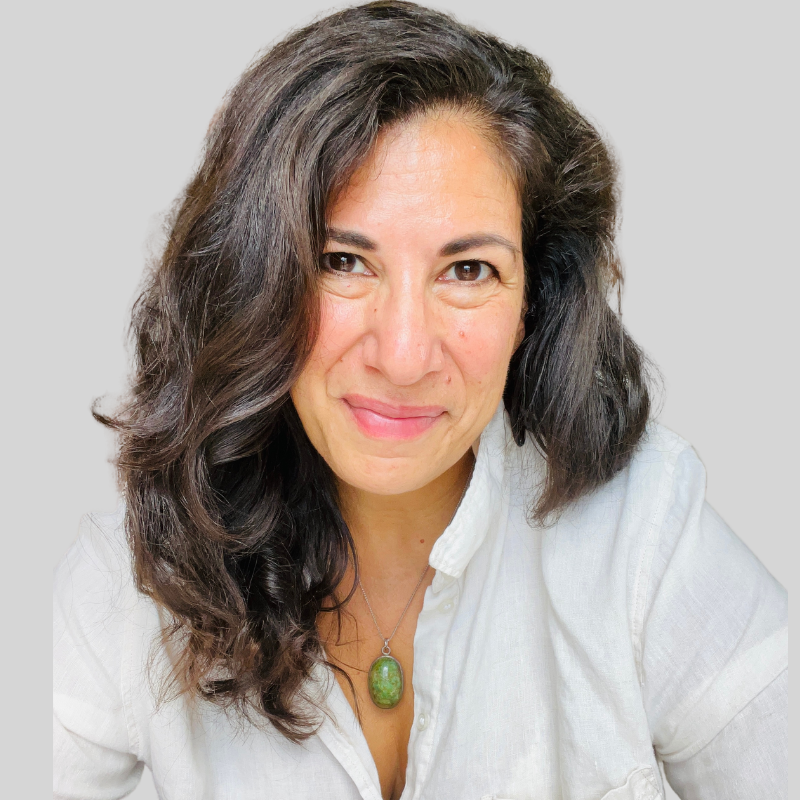
Author / Speaker / Podcaster / Coach
Kate Kayaian is an author, speaker, and career strategist for high achievers who want to build lives of impact, purpose, and sustainable success.
A former professional cellist, Kate performed as a soloist, chamber musician, and recitalist. Today, Kate’s work centers on helping accomplished professionals through her 1:1 coaching and her signature group program, the Creatives Leadership Academy. She guides clients to develop clarity, confidence, and the practical strategies needed to lead at the highest level without sacrificing their well-being.
She is the author of "Beyond Potential," a practical guide for high performers navigating the next chapter of their professional lives, and hosts "Tales from The Lane," a podcast exploring the hidden challenges and unexpected joys of success. As a sought-after speaker, Kate delivers keynotes and workshops on leadership presence, mindset transformation, and redefining what’s possible for high achievers across industries.

