Why Writing a Book Is Not Always the Best Business Move with Ally Machate

“Write a book, and you’ll become an authority” sounds like solid advice until you do the math on time, money, attention, and what that book is actually supposed to achieve. Host Eric Dickmann is joined by Ally Machate, a former Simon & Schuster editor and the founder of The Writer’s Ally, to pressure-test the myth that expertise automatically means you should write a book. We dig into why a book is a tool, not a trophy, and why it’s often the wrong next step when your business is still taking shape.


Ally shares what she saw behind the scenes in traditional publishing, from the flood of weak submissions to the hard decisions driven by marketability and author platform. One story in particular brings it home: a genuinely strong, helpful manuscript can be turned down simply because the author is unknown. That tension helped push Ally toward a slower, more sustainable reinvention, moving from corporate publishing into freelancing and eventually building a business that helps authors develop, publish, and market books that serve larger goals.
We also get real about AI in writing and publishing. Publishers are being inundated with AI-generated content, “AI detectors” are unreliable, and the biggest risk is often accidental plagiarism. In a world where information is cheap and instantly customized, we talk about what kinds of nonfiction books still matter and how to avoid the “good book, wrong book” trap. Ally lays out how to shift from what you want to say to what readers will actually buy, use, and share, plus her Right Book Method for getting there.
If you’re considering a business book, a thought leadership book, or a credibility play, listen before you outline another chapter. Subscribe, share this with a friend who’s “definitely writing a book,” and leave a review so more listeners can find the show.
Resource mentioned: "Don't Write the Wrong Book" webinar
Have questions, comments, or interest in being a guest? Leave me a voicemail!
00:00 - Why Expertise Alone Is Not A Book
02:37 - Allie’s Early Writing And Publishing Start
06:08 - Dream Job Realities And The Slush Pile
12:08 - The Project That Changed Everything
16:24 - Building A New Model With Authors
19:46 - AI In Publishing And Detection Myths
25:01 - Should You Write A Business Book
31:39 - The Good Book Wrong Book Problem
35:02 - The Right Book Method And Listener Gift
38:07 - Outro And Where To Find Links
Why Expertise Alone Is Not A Book
Eric Dickmann
Welcome to Beyond Expertise, The podcast about what happens when the career identity you've built no longer fully fits, and how you begin creating work that feels more aligned with who you are. I'm your host, Eric Dickmann. Today, my guest is Allie Mockait, a former Simon Schuster editor and the founder of The Writer's Ally, where she helps authors develop, publish, and market books that support their larger goals. What stayed with me from our conversation is that expertise alone does not mean you should write a book. I hear this advice all the time, especially from consultants, coaches, and independent professionals trying to establish credibility. Write a book, become an authority, and use it to open doors. But Allie makes an important distinction. A book is a tool, and it's not always the right tool or the right next step. Writing and publishing a book requires time, money, attention, and a clear sense of what the book is supposed to accomplish. If your business is still taking shape, your ideas have not been tested, or you are still working to understand your audience, a book may capture your thinking before that thinking is ready. You may write a perfectly good book and still write the wrong book. I also appreciated how Allie's own reinvention unfolded. She had reached the job she had imagined since childhood and found much of it genuinely fulfilling. But she became frustrated by a publishing system that could recognize the potential in an author's work without having the capacity or the business incentive to help that author develop it. Rather than making one dramatic leap, Allie took advantage of the support and flexibility she had available. She finished her degree, began freelancing, and gradually discovered that working directly with authors was more fulfilling than returning to corporate publishing. Her story is a reminder that reinvention does not always begin because the old work was entirely wrong. Sometimes it begins when you identify the part of the work that matters most to you and find a way to build your next chapter around doing more of it. In our conversation, we talk about the changing publishing industry, the impact of AI on writing, and why a book should not simply repeat information that readers can get anywhere. Most importantly, we explore the questions an aspiring author should answer before deciding that a book is the best way to share their expertise. Let's get ready to go beyond expertise.
Allie’s Early Writing And Publishing Start
Eric Dickmann
Ali, welcome to the podcast. I'm so glad to have you on the show today
Ally Machate
Thanks so much for having me, Eric
Eric Dickmann
I'm excited to have this conversation and, uh, you'll know why once we get into it. But what I like to do with my guests when we first start out is I like you to turn back the dial of time a little bit and think to those early years, graduating from school, big aspirations about what you want to do in life. Was writing one of those?
Ally Machate
Oh, yeah.
Eric Dickmann
you always wanted?
Ally Machate
Oh, yeah. Absolutely. Um, I, I've been a writer and a reader really my whole life. It's just been, uh, a passion of mine. You know, I, I did all sort of like the typical writerly things in school. You know, I was a editor of the school paper and on the literary mag board, and I started freelancing for pay as a writer while I was in college, which was pretty exciting,
Eric Dickmann
that's very cool
Ally Machate
Yeah, some of my first jobs was doing some, uh, some online writing gigs and, um, you know, it's, it's kind of the-- I think it's a pretty well-known stereotype that a lot of people who aspire to be writers go into book publishing, right? Like it's just, it's kind of a thing. Um, but for me, it, it, it wasn't, uh, it wasn't like an attempt at a backdoor entry. Like I genuinely also have been very interested in the production of books and the distribution of books and, and book publishing as a business as well as as a writer
Eric Dickmann
And you got an early job, right? With a big publisher. Did you just apply and get lucky? Did you know somebody? How did that all work out?
Ally Machate
So, uh, you're gonna laugh. Nobody ever believes me, but I swear to you this is true. Um, when I was very, very young and, um, you know, people love to ask children like, "Oh, what do you wanna do when you grow up?" And, and that sort of thing. I have no idea how I got it into my head. I'm sure somebody explained it to me and, you know, memory changes things. But I would tell people when I was like six or seven that I wanted to grow up to be a writer, a lawyer, and an editor at Simon Schuster
Eric Dickmann
Very specific
Ally Machate
Very specific. And of course, you know, you're a kid, right? So I was, uh, that seemed perfectly reasonable to me to do all of those things, you know? Um, but yeah, I did in fact, uh, continue with that passion all through school, all through college, and I did an internship where I- while I was in college at a regional publisher. Um, and then was very fortunate to parlay that into my first job at Simon Schuster. Um, I did apply, and it was kind of funny, you know, they warned all of us English majors, like, "It's probably gonna take a while before you get a job. Like, don't, you know, don't stress about it." And so, like everyone else, I sent off my resumes and, uh, prepared for finals and figured, "Oh, I'm, I'm gonna get my one last, my one last, you know, youthful free summer." Uh, but no, I, I got really lucky and, um, I think the HR woman must have been sitting on her computer when I sent it through because I got a reply, uh, within like an hour inviting me to come down for an interview, and I was hired, uh, before finals were done, and I started right after
Eric Dickmann
That is so fortunate, and I'm sure such a relief, right? I was lucky too. I had a job as I was graduating, and I was so relieved that I didn't have to go home for the summer and start searching for a job, so I can imagine you were too.
Ally Machate
I was actually kind of mad. Like I wa- I wanted my summer, you know?
Eric Dickmann
Yeah, that's fair. That's fair. Yeah. Just give me a few weeks off, right? Mm-hmm. So now you're there, you're behind the scenes. You had idealized this job since you were younger, right? Was it everything you hoped it would be or was it very different being behind the scenes of a big book publisher?
Dream Job Realities And The Slush Pile
Ally Machate
I mean, a little bit of both. Um, it absolutely was a dream job. I had an incredible, incredible experience, um, you know, in part because of the people who were there at the time. Um, we were led by the late Carolyn Reidy, uh, who was CEO at the time, and she really was fantastic. She used to lead, um, I don't know if, if it had a name, but she would run these regular programs. Every month she would have somebody from a different department come into the large conference room and give a little presentation about what that department does and how it fits into the overall process, and they were always open and always just, like, and everybody was, uh, invited to come. But it was a wonderful way for everyone in the business to get to know what different people were doing at different parts of the process. And I think that, that, um, that, that mission that she had of, like, really having, uh, what in many ways can be an unwieldy, you know, sort of lumbering elephant of a business, uh, and get everyone, uh, to coordinate and to work as a team and to know each other in that way really trickled down. So the people in my department also were incredibly supportive of young people. We were invited to come to the weekly editorial board meetings where all the decisions about what would make an offer and what wouldn't got made, um, which was not typical. Many of my peers at other companies were not, uh, allowed to participate in those meetings, and it was because of that supportive environment that I made an offer and acquired my first book before I'd even been there a year, which was virtually unheard of. So yeah, like in many ways it was amazing. It was a re- a true mentorship, you know, like a real kind of apprenticeship working under more senior editors, and again, you know, very lucky for the type of people I worked with. Um, sh- just being able to, uh, they'd give me like, after they had done a pass of editing, right? They would give me the manuscript and say, "Well, you, you know, you tell us what you see." And then we would go over my feedback and, which was like really an incredible hands-on learning experience, and, uh, of course you can't beat all the free books and getting to meet famous people and all that stuff too. So yeah, in a lot of ways it really did live up to the expectations. Um, but you know, uh, there's reality too, and, and there's a lot of things you don't understand about how a business works when you're young, um, until you actually get in there. And, uh, corporate publishing in particular, Big Five publishing, you know, is run by very large corporations. We were owned by Viacom at the time when I was there, and there are a lot of aspects to the business that are also very discouraging, uh, things that go on behind the scenes that, that play into the decisions that get made, um, that were very frustrating for me and that ultimately contributed to me leaving.
Eric Dickmann
In some ways I picture an environment where there's just this big room and piles of manila envelopes filled with manuscripts, each representing someone's hopes and dreams. And, and you get to be the arbiter of all, all those hopes and dreams. As you were getting a chance to read some of these, did you see a lot of great works of writing that you hoped would eventually get published, or did you see a lot of really bad writing?
Ally Machate
It was a lot of really bad writing.
Eric Dickmann
Oh, yeah.
Ally Machate
A lot of really bad writing. Um, I-- this is a little embarrassing to admit 'cause it's really not very nice, but at the time, uh, one of the things that was common practice, I have no idea if people do this anymore, was, um, the assistants actually managed a wall of shame, and there was a, an empty cubicle in one of the floors where people would post up on the wall, like, the weirdest or the worst submissions that we had been getting. Um, it's just kinda crazy sometimes, you know, what people think or the way they think about things that they're so sure is going to be, like, a huge bestseller or things that they would send you. Like, I remember one person, uh, right in the middle of the anthrax craze, right, when everybody was worried about companies getting anthrax, somebody sent us a box of cookies. It was like, "Nobody's eating those cookies right now." Like, "What are you doing?" Um, but of course, there are always gems as well, and we got to work on some really amazing books. Um, so yeah, it was a, it was a real eye-opener and a real education.
Eric Dickmann
In that kind of an environment where I'm sure the volume is just unbelievable, do full manuscripts actually get read Are they skimmed? Uh, does somebody read the first chapter? I mean, I just think about in a normal workday where we have to go through our email box and that seems like a chore. If part of your job is just to read what I... Imagine some of these are pretty long books, right? Um, how do you do that? How do you start to weed it out?
Ally Machate
Yeah. Um, well, the first thing I'll tell you is I developed a very, uh, good skill as a speed reader, which,
Eric Dickmann
Okay.
Ally Machate
um, was so baked into me that even to this day, I have to force myself to slow down when I read for pleasure, 'cause I'm so used to skimming it. Um, but yeah, there is, it is kind of a skimming. You're, you're clearly not sitting down and reading completely every manuscript that comes through. Um, but the truth is, and, and this might seem harsh, but it's usually pretty obvious within a few pages if something is worth continuing. Um, a lot of, a lot of things are just really not ready to compete at that level. You know, traditional publishing is sort of thought of, I think, by too many people as a natural endpoint, that, you know, they've written something and now the natural next step is to publish it, when in fact, uh, it's really only a very small percentage, you know, maybe the top 1%, let's say, of any books written, any people who are writing, um, that actually manage to be able to compete at that level. So, you know, yes, it is a lot of time spent going through submissions for sure. Um, but you're not reading through everything. You don't need to read through everything to know if it's, you know, even in the ballpark, or if it's marketable, or if it's-- or even if it's just a right fit. You know, sometimes it's not about a book being objectively good or not, it just may not be right for your particular editor or your particular department.
The Project That Changed Everything
Eric Dickmann
That makes sense. And I know in your journey, you did get to a point of a little frustration, right? Where you started to see work that you just didn't like, and you thought, "Hey, there's... People need some help here."
Ally Machate
Yeah. You know, one of the things that really frustrated me is that I, I'm sort of a problem solver by nature, and so sometimes we would get proposals or we would get projects where I could really see the potential. You know, the project wasn't quite there yet, maybe the writing, uh, still needed a little bit of polish, or maybe the plot, it needed a little bit of, you know, tightening to really feel that, uh, that tension or that conflict, or a nonfiction book, you know, perhaps somebody had a, a really great project, but not really a big enough platform or the right credentials. And I could always kind of see how it could get there. Um, but at a publisher, that's not your job. It's not your job to help the authors get there. They're either there or they're not, right? And then
Eric Dickmann
Fair. Yeah
Ally Machate
they get accepted or they don't. Um, and that did become really frustrating for me after a while because I did see many projects that I felt, you know, had legs that could be worthwhile just getting passed on, you know, because they, they didn't meet, you know, some of this criteria. And there was one project in particular, uh, that I sort of, you know, share as, like, a, a real turning point for me, and I, I had already been a little bit disgruntled. We had gone through several rounds of layoffs. The department was very, um, shrunken after 9/11. You know, a lot of industries in New York experienced this. A lot of people had left New York. Um, things were just weren't being sold. You know, people weren't, weren't buying books. Everybody was focused on the war. And, um, so those of us who were left had inherited all the books from everyone who had been laid off. So, you know, you can imagine all of these people now having to carry three times the catalog they were before. And in the midst of all of that, this project came across my desk. It was a, um, about a, a disease. The person who wrote this book had gotten and recovered from this illness, and it was an illness that was sort of making its way back into the public consciousness. It hadn't really been a big thing for a long time, and it was something that, uh, my uncle had actually died from
Eric Dickmann
Hmm.
Ally Machate
And so it struck me very personally that, yes, this is something not a lot of people are talking about. It's c- it's making a comeback. People should know. And the book was wonderful. It was wonderfully written. It had great stories. It had helpful tips, um, you know, to live with the illness if you were diagnosed. It helped you to ask the right questions. Just everything that you would want in, in a kind of handbook like that. And of course, you know, this is pre-AI and early internet, so you're not necessarily getting those answers online as easily as you do now. Um, and she'd even gotten a famous doctor to write the forward to the book because she herself was not a doctor, and she wanted that medical sort of stamp of approval. So all around it was a wonderful project, except that the author was a nobody. You know, she, she didn't have any, uh, mailing list or credentials. She hadn't been out on the speaking circuit. She didn't have any friends in media or, or other authors that would endorse her. There really was no platform to the book. And I remember, uh, being in an editorial board meeting and proposing this project with so much passion and vigor, and everyone basically, you know, the, the C-suite basically saying, "Listen, we see what you see here. It, it, you know, your instincts are right. It's a good project, but she has no platform." Like, "We can't sell this book." And the head of publicity at the time said, "Well, maybe if a celebrity came down with it," you know? And I just thought, "Oh my gosh, like, this, this is just so wrong." And at the same time, you also have to sort of like go turn back the dial and remember that the internet was really just starting to become the, the huge viable creature that it is today. We didn't have e-books yet. We didn't have print-on-demand technology yet. Uh, we didn't even have Amazon yet, I don't think. Maybe at the very, very early days of Amazon, um, but it certainly wasn't what it is today. So, uh, I was very frustrated because I could see how this author could take this book and build a huge platform using the book. Again, that's just not how traditional publishing works, and I just thought, "You know what? The tools are out there. It's possible now for authors to do this on their own in a better way, and, uh, I just feel like I could help people do it better on my own."
Eric Dickmann
That's interesting
Building A New Model With Authors
Eric Dickmann
because earlier you talked about in college how you had some freelance writing gigs, so you did have a little bit of, uh, entrepreneurial spirit in you at an early age. So a decision to leave the corporate world to start your own business, to help, authors like the one you just mentioned, was that a big leap for you, Were you ready for it?
Ally Machate
It was a big leap, um, but I also took baby steps, I'll be honest. I didn't just, you know, up and, and start a business, right? So, uh, I was this close to finishing a master's degree. I'd been going part-time for a while. I had just recently gotten married, so, you know, again, let's be honest, I had access to health insurance. A lot of people keep their jobs a lot longer than they want to because they need to, and I was very fortunate to be in a position where I no longer needed to. So what I actually did was I started going to school full time to finish up my degree, and I started freelancing a little bit on the side. And the truth is, I fully believed I would come back, you know, if not to Simon Schuster, then to some other publisher. I really thought, "You know, this is all about the economy and the war and everything that's going on. I'll just, I'll give it a couple years. Everything will settle down. The job market will start opening back up and, and I'll go back." Um, but I loved freelancing so much, and I loved working directly with the authors so much, and I really saw, again, at about the same time we started to see, um, self-publishing started to become a much more viable thing. It was no longer what we used to call vanity publishing, right? It was, the tools were available, the technology was available, the internet was available to allow readers, or, or rather, allow authors to directly reach readers. You no longer had to be dependent on getting books into bookstores, which is what traditional publishing, you know, really had a lockdown on. You didn't really even need to participate in that anymore. And I was helping all of these authors to create projects that they were then producing themselves, and I could just see so much potential, that there really was this whole other business model opening up for people who were never going to publish at the traditional level, or, you know, for whom the traditional model just didn't even make sense even if they could have gotten a deal, you know, for, for various reasons. Um, and as you said, I have an entrepreneurial spirit and I just really saw that I could make a difference and, and protect people. There were a lot of scams at that time, a lot of folks, you know, trying to take advantage. As soon as you have the ability for people to write and publish books, you got a lot of people coming in to make money off of those people, right? Um, so I thought that I could do some good and I could, you know, really engage with people, and the work was more fulfilling to me, so I just didn't go back and, uh, I kept going from there.
Eric Dickmann
I think that's an interesting story because many of the guests that I've had on this program and that I've met in other networking events, they tend to fall into one of two camps, and one camp is the baby step camp, right? Where they're doing maybe a side hustle. They're slowly building a business on the side, get to a point where they say, "This is viable. I'm going all in." And the other ones are the ones that something suddenly happened, right? They got laid off. There's some kind of a big job change, health scare, something like that, and they're forced to do it. And the forced to do it is a much harder path, right? Because there's so much learning that you have to do in such a short period of time. So it sounds like you had the ability to really ramp up over that period, and now you've got this business. And
AI In Publishing And Detection Myths
Eric Dickmann
I also find it interesting because there's been so many technological changes. You rattled off a few, you know, things like Amazon coming on board, self-publishing, the popularity of audiobooks, right? Audible and self-publishing and, you know, what about AI? So this is... I, I wonder in the publishing world today, how do you get around just the, the prevalence of everybody thinking that they can write a book because they'll just have AI
Ally Machate
Oh, yeah
Eric Dickmann
to help them?
Ally Machate
Yeah. Uh, well, I will tell you first off that everybody I know who works in the business, whether they're working at publishers or agencies, I even know some folks who, um, on the, are on the boards of literary magazines and, and work with contests and things like that, everybody across the board is being flooded with AI garbage
Eric Dickmann
I can imagine
Ally Machate
Um, and it's really unfortunate because those people are making it that much more difficult for everybody else to get discovered and to get noticed. Um, you know, it was always difficult to wade through, uh, you know, what was being produced by humans. Now we have, you know, like 10 times the volume of that, and it's not even being produced by, by humans. So it is a real challenge, and it is problematic, uh, really for everybody. Um, and everyone's still trying to figure out how to deal with it. You know, publishers right now are generally taking the position that they want authors to disclose if they've used AI and how they've used AI. Um, not so much as a measure of whether or not they'll accept the book as much as how they can prepare for it legally, you know, what kind of steps they might need to take, what kinds of things they might need to look out for. Um, the biggest concern the publishers have is accidental plagiarism. You know, um, as we all, as we all have probably heard or, or know at this point, AI was trained on the output of millions of books, blog posts, articles. Um, and it has happened that it has kind of accidentally plagiarized, um, and used content and ideas from other people's work in somebody who is using AI to generate their own work. Um, so publishers are very concerned about that, so that's one of the, one of the really big things that they're looking at. Uh, and even Amazon, you know, is asking people to disclose whether or not they're using AI and how they're using AI. Um, although, to be honest, in my opinion, uh, with Amazon, it's primarily performative 'cause they're doing very little actually. Um, you know, one of the biggest-- Yeah, like one of the biggest problems is Amazon. There are thousands and thousands, maybe even millions by now, I don't know, um, of these AI-generated books, and Amazon really isn't doing anything about it. Um, so you know, people are, people are trying to figure out how to handle it. We have these tools that they call AI detectors. Most of us, you know, who are really using them understand at this point, um, that they're not really useful.
Eric Dickmann
Mm-hmm.
Ally Machate
You know, they, they cannot actually-- There's no way to 100% know for sure that somebody has or has not used AI to generate writing. And the rub with the detectors is that they're picking up on certain patterns that, you know, people have sort of identified as being red flags or tells that it's AI-generated. But the fact is that since AI was trained on the writing of humans, those tells are just the overuse of things humans already were doing. Um, you know, so I've already met several people, professionals that I know, uh, who have written something. Uh, one person just told me recently and, um, she had written a uh, a grant brief for a client, and the client ran it through AI and came back and wanted their money back because the tool told them that it was written by AI. And she said, "No, it, it's 100% written by me. I didn't use AI at all." Um, so, you know, those are useless. I think that we all really need to get off of this cat and mouse game or, or gotcha. It's a gotcha game, right? "Oh, I-- you used AI, I can tell. You know, this person used AI." I don't think any of it's relevant. I think the real question is not whether or not people are using AI. I think the real question is whether or not they're using AI well enough to create output, uh, that is truly competitive with the output of humans. Um, and that requires a lot of skill and expertise on the part of the user, right? We hear this, uh, garbage in, garbage out, um, an old computer coding kind of phrase that, that really does apply to AI. So, um, I'm eager for us to reach that moment. I'm tired of the, I'm tired of the gotchas already
Eric Dickmann
I 100% agree with you. The line that I always use is I think we need to move from a period where we were apologizing for using AI and start apologizing for not using AI, because it's a productivity enhancer, right? And I think that's beneficial. I do consulting. I certainly wouldn't want to tell a client, "I spent 10 more hours doing this because I didn't want to use AI to increase my productivity." And the reality is Grammarly is AI, right? You can do a document, you can have Grammarly fix it, and sometimes that gets flagged as AI because it kind of is. It's rewriting things. It's fixing grammar. But nobody's apologizing for using a spell checker. So yeah, we d- I totally agree. This cat and mouse game has got to
Should You Write A Business Book
Eric Dickmann
stop. But, thinking of the audience who listens to this podcast, a lot of them are people who are navigating that next phase of life. They're going beyond that traditional corporate career, using those skills, that expertise that they've built up over time, and either applying it in a new kind of a venture or maybe tangentially going off and doing something that they've always wanted to do but never were able to do. And I hear over and over from people that one of the things they feel they need to do to have credibility as an independent, as a freelancer, as a consultant, is to write a book. What do you think of that advice, and what would you tell people who are listening today who said, "Well, I've absolutely got to write a book"?
Ally Machate
I love this question, Eric, because I surprise everybody. Um, yes, there is this sort of myth, concept, idea, whatever you wanna call it, philosophy, uh, that everyone has a book inside of them and everyone should write a book, especially if you have a business or you're an expert of some kind, you should write a book. And I absolutely do not believe that's true. I, I do not think everyone should write a book, um, for a few reasons. So first of all, when you have a business, when you're an expert, and you are thinking of that book as a part of your business strategy, which is where a lot of people are, right? When they talk about, "Oh, everyone should have a book." It's not just to arbitrarily have a book. The unspoken, you know, piece there is the fact that author is the root word of authority.
Eric Dickmann
Mm-hmm.
Ally Machate
in our culture, in Western culture at least, we automatically associate people who have written books with people who know what they're talking about. We say, "Oh, she wrote the book on the subject," right? So that's really what people are saying when they're saying, "Oh, you have to have a book. You've got a business, you're an expert, you gotta have a book." But if you think of that, a book is a tool, and a book is not always the right tool for the job.
Eric Dickmann
Yes
Ally Machate
So it really does depend what it is you're trying to accomplish in your business. Um, a book is not a throwaway thing. I mean, even in the age of AI, it's not something that you just sit down and do in an afternoon, not if you want it to actually move the needle in your business and be successful. It's a huge investment of time and energy. There's a huge opportunity cost, all the things you have to say no to because you're focusing on the book. Uh, there's a real financial cost if you wanna do it right. You know, there are some things, certainly ways that you can save money, but ultimately, you know, uh, you want a professional result, you have to put a professional effort into creating it. So there may be a situation in any given person's business where that doesn't necessarily make sense. You know, if you're still struggling to get clients, if you're looking to get income, writing a book is not your best next step, right? There are other things that you can do, um, to bring in more income, to bring in more clients. So that's the first thing. It's not always the right tool for the job. And the second piece is that sometimes your book-- your business may indeed benefit from a book, but it might just not be the right time.
Eric Dickmann
Yeah
Ally Machate
Um, one of the biggest mistakes that I see authors make when they're, you know, business folks and they have a business of some kind, is that they write the book too soon
Eric Dickmann
Hmm
Ally Machate
You know, they think that, oh, the book is the thing that's gonna help me. The... Here, it's gonna grow my business, right? It's gonna help me get clients, it's gonna help me get visibility, it's gonna get me opportunities. And yes, all of those things are true, but you have to have a business in order to leverage the book to grow the business. The book isn't the thing that gives you the business, right? It's not the thing that gives you the experience and the expertise. So I see people trying to write books, you know, before they've really tested their offer on the market, before they've really built an audience, before they have case studies of clients who have gone through, you know, their signature processes or used their philosophies. Um, they haven't really honed their own messaging and positioning. And you can still, you know, can you physically sit down and write a book if you haven't done those things? Yeah, sure. Of course you can, but the book is not going to get you the kind of results that you're imagining you're going to get from that book, and that you would get from that book if it was being done in the right time. So I think it's much more important to look at it from that perspective. No, not everyone should have a book. A book is an incredibly powerful tool, but just like any tool, it has to be the right tool for the job, and it has to be the right time for your business to really get the most out of it
Eric Dickmann
I love that advice because I 100% agree, and I also personally think that there's oftentimes not a lot of new information that people are really sharing in these books, they're generally just repackaged and rebranded ideas that other people have shared.
Ally Machate
Yeah, absolutely. And, um, you know, to your question about AI earlier, this is something that I've really been thinking a lot about. We live in a, in a very different age all of a sudden, you know? Like yeah, sure, a few years ago you could Google a question and get some information, but not the way you can now. You know, AI not only provides information, but it customizes information. You can spend, you know, really a few minutes even with your AI tool, give it a good prompt, give it some detail, and have it completely customize a seven-step process to this, a five-step plan to that, you know? Um, so there many people, uh, maybe you've seen it, Tim Ferriss famously wrote a blog post very recently, uh, about, you know, asking the question, "Has AI killed the nonfiction book?"
Eric Dickmann
Mm-hmm.
Ally Machate
And the conclusion he comes to and, and which I completely agree with is that it hasn't killed nonfiction books in general, but it has killed a very specific type of nonfiction book, the type that you are describing. And if you think that, you know, you need to have a book and all you really can put into that book at this time is something that's pretty much just rehashed information that really any expert at your level would be able to come up with, it's just sort of common knowledge among, you know, your peers, that's the kind of book that honestly isn't going to do well anymore in the age of AI because people don't need it. They're gonna go to AI to get that kind of information. So what are the books worth reading in a world where information is free?
Eric Dickmann
Yeah, that's a great question. And I think some people, they envision a speaking career, right? they wanna go, They wanna be on stages, they wanna have that kind of opportunities, maybe be on television, and I think they look as a book as a big credibility booster there. If you're gonna be speaking on stage or pitching yourself as a speaker, it's easier to do if you're an author. So I understand the appeal there. If somebody really does feel they have a message that's worth putting into a book, what advice would you give them on how to get started, where to go for help?
The Good Book Wrong Book Problem
Eric Dickmann
What is the approach that you give an aspiring author if they really believe they've got something to say?
Ally Machate
So I talk a lot about this thing that I call the good book, wrong book problem. And the good book, wrong book problem is that most people, when they have something they wanna say, whether it's a, a, you know, fictional plot or something about their lives they wanna share in a memoir or something they wanna share about their business experience, they come from a place that's very internal. There's something they wanna say. There's something they're really passionate about that they think other people might enjoy or would benefit from. And so they sit down to write that book, and they become so consumed with the idea of writing that thing and writing it as well as they possibly can. They wanna write a good book, right? And there's nothing wrong with that, right? Like, obviously, you wanna write a good book, of course. The problem comes in when people focus so much on just writing a good book that they forget that a good book in and of itself isn't necessarily a marketable book
Eric Dickmann
Hmm.
Ally Machate
A book can be objectively well-written, professionally produced, have a great cover on it, nice to read, and still not actually be marketable. It can still be the wrong book. And what that really speaks to, and the advice that I want to offer, is that somewhere in your drafting process, hopefully earlier than later, but somewhere in that process, you need to make the shift between the thing that got you started writing a book, the thing that you wanted to say, that you were passionate about, and you need to start thinking about the other side of the equation, which is your reader, right? Nobody's gonna buy your book because you thought it was important. That's just the truth. That's not how we do things, right? We have that, uh, another marketing truism. What's in it for me, right? Readers buy books because of what they need, what they're looking for, the questions they have, the ideas they want to explore. So you need to find that sweet spot between what you're passionate about, what your expertise tells you is important that people know, and what they're actually looking for and what they actually need.
Eric Dickmann
I love that
Ally Machate
the first step to making sure the book is marketable, right? Um, so you're not just writing a good book. You have to write a good book that is strategically aligned with what you want the book to do for you out in the world beyond selling books, like you mentioned, getting on stages, you know, being known in a different niche, attracting clients, you know, all different kinds of things that a book can do for you. But you need to be clear about what it is you want the book to do. You need to be clear about who are the people you need to reach in order for that goal to, to happen, to make it real. And what are those people looking for? What's the promise you're gonna make that's compelling enough and interesting enough to them that they're gonna see it and think, "Yes, this is the book that I've been looking for. This is the thing that I need. I'm gonna get this book now, and I'm gonna spend my time and money reading this book." If you aren't able to make that strategic shift, you're going to fall into that trap. You're going to write a good book that is the wrong book, and that's how you end up with all these super smart people that have very nice, attractive books sitting in their Zoom backgrounds gathering virtual dust instead of actually being able to be leveraged to bring in benefits and opportunities
The Right Book Method And Listener Gift
Eric Dickmann
That's great advice, I think. And is this now what your business is focused on, helping authors answer these questions to see if they've really got that book that's gonna resonate with the targeted audience?
Ally Machate
Yeah, I've developed what I call the Right Book Method. Uh, it's a four-stage process and, you know, it would be pretty familiar to anybody who, you know, is familiar with how a book gets produced. But the first two parts of that process I think are the key. So we say, we talk about guide, develop, publish, and grow. And a lot of outfits out there start with the publish piece. So you bring your draft to them, they're gonna polish it up. The kind of editing they're going to do is not substantive. They're gonna do what we call copy editing. So they're gonna make sure you're not embarrassed, they're gonna catch your typos and your errors and any kind of obvious inconsistencies. They're gonna publish it, it's gonna look nice, it's gonna be professionally done, but they're never gonna ask those questions about, is this the right book? And that's where we're really different. That's where the guide and develop parts of the process come in. We don't start with the question that most authors have, which is, is this book good enough to publish, right? Is it good enough? Is it worth it? We ask, is it the right book for what you are trying to do? And we start there. If it isn't, we identify what needs to happen for it to become the right book. And if it is the right book, of course, then we go on to reinforce those things, tighten everything up, make it even better, make it reach its fullest potential before moving on into the publishing and marketing process.
Eric Dickmann
I love that, and it's a service that I think would be so valuable for so many of the people that I talk to because, like I said, this conversation around should I write a book comes up over and over again, and I think you've laid out some good advice for people to consider before they jump in the mix with everyone else trying to quickly write a book to give themselves some credibility. Allie, how can people find out more about what you do, where you're located on the internet? How can they connect up with you?
Ally Machate
Well, if you come to our website at thewritersally.com, we have a free resource library with all kinds of great goodies, and I've also prepared a special gift for your audience. Uh, if they go to offers.thewritersally.com/beyondexpertise, um, they will find themselves with my evergreen webinar training called Don't Write the Wrong Book. Sort of speaks to everything that we were just talking about. It's h- you know, really digs into what it means to write the right book, how to avoid writing the wrong book, and it walks people through a slightly more elaborate process, uh, than the three steps we just talked about. It's a five-step process to really help people to think more deeply about the idea they're currently working with, or if they already have a draft. You can use it pretty much anywhere in the process. It's 25 minutes, um, and I hope that you'll find it really helpful
Eric Dickmann
Oh, that's great. I'll make sure that we have all that linked up in the show notes so that people can find both you and that resource. This has really been an interesting conversation, and I appreciate you taking the time to share your story and these tips for our listeners. Thanks so much for your time today.
Ally Machate
Thank you so much for having me. I had a great
Outro And Where To Find Links
Ally Machate
time
Eric Dickmann
Thanks for listening to Beyond Expertise. You can find show notes, resources, and links mentioned during this episode at podcast.ericdickman.com. If this conversation resonated with you, I hope you'll join me again next time as we continue exploring what it means to reinvent ourselves beyond our careers, titles, and expertise.
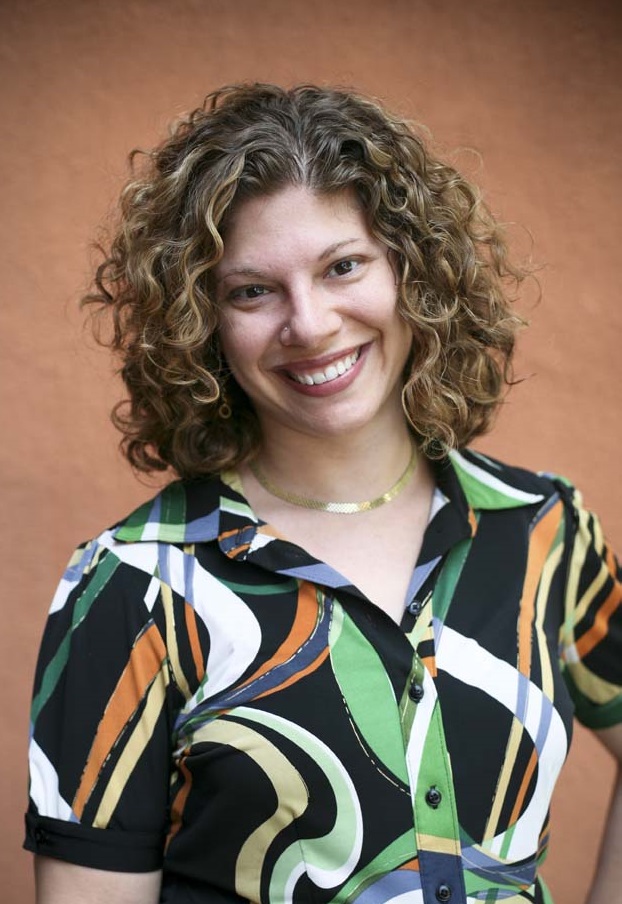
Publishing Consultant | Author
Founder & CEO of The Writer’s Ally, Ally Machate is a bestselling author and expert publishing consultant who has led serious authors toward success since 1999. Ally leverages a background in “Big Five” publishing and a team of skilled professionals to help authors write, publish, and sell more high-quality books through traditional and independent channels with a variety of services and support.
